
Product Categories
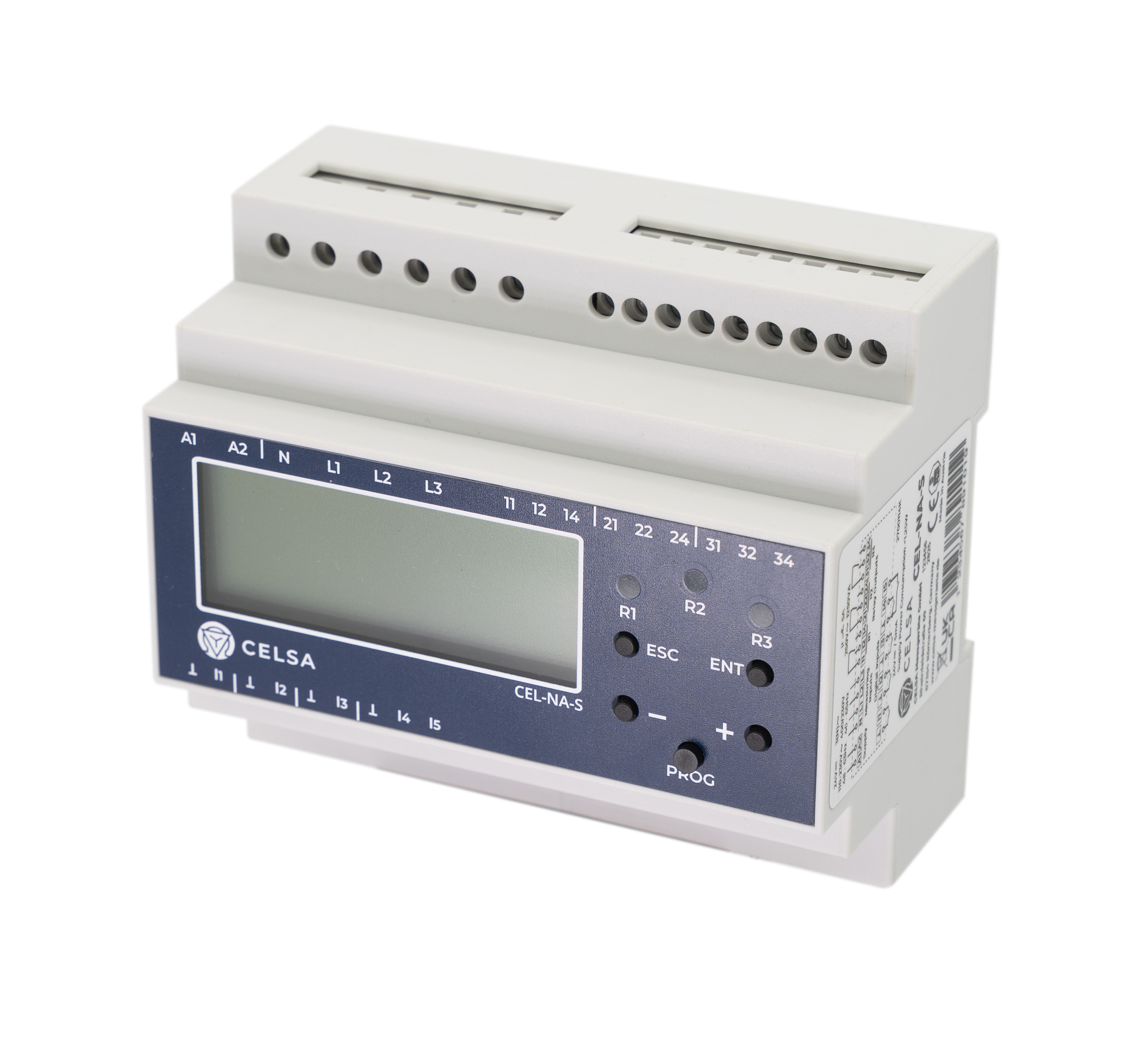
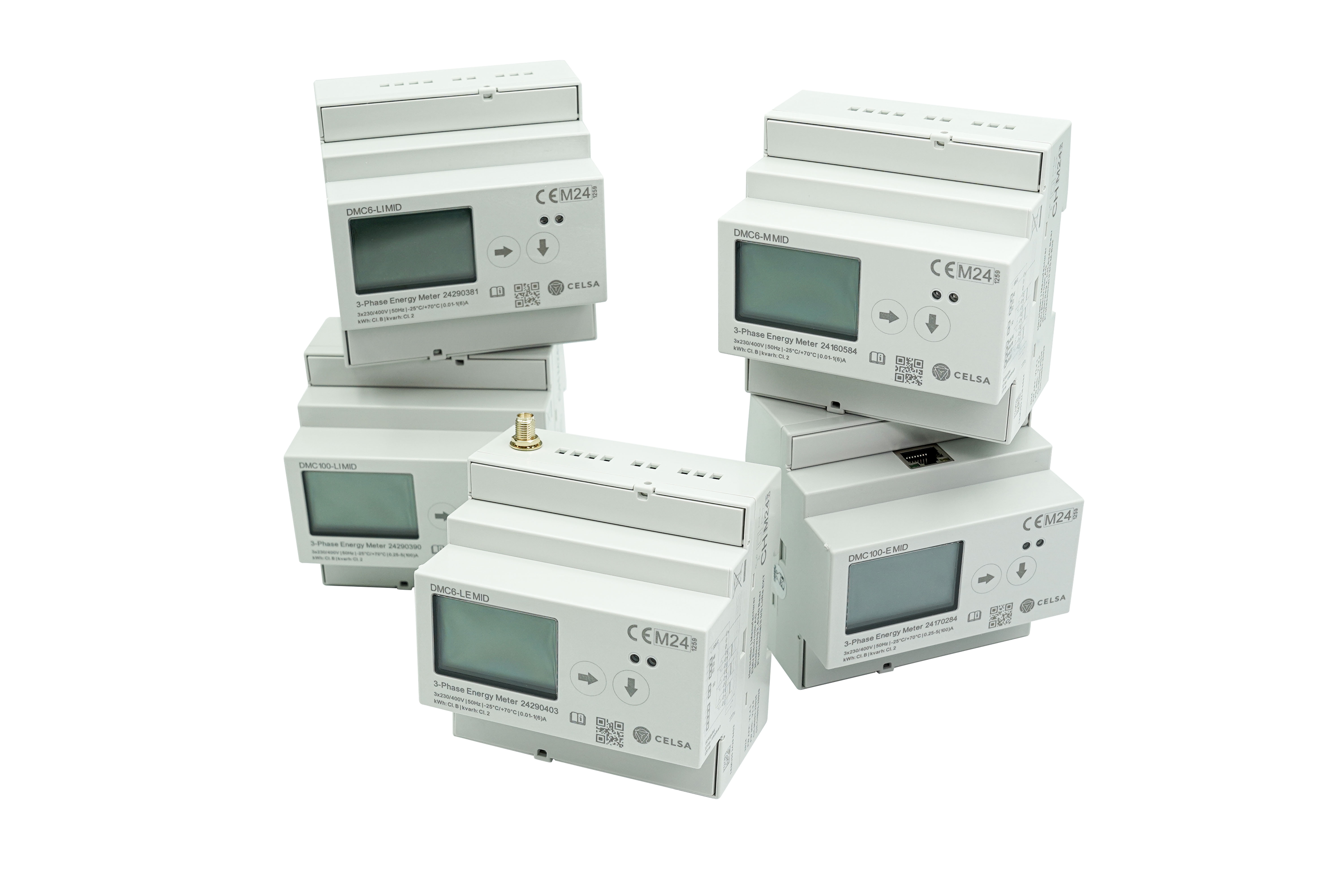
Current transformers, energy meters and grid protection – all from one source.
What are current transformers?
Current transformers (CTs) are inductive measuring instruments that convert high primary currents proportionally into small, easily measurable secondary currents. They provide galvanic isolation between the power circuit and the measuring circuit and are essential for reliable energy metering, load monitoring and protection in switchgear.
Common types include clamp-on current transformers for busbar mounting, wound current transformers for compact installations, split-core transformers for retrofit applications and protection current transformers for fault detection. The right choice depends on rated current, accuracy class, burden and the available mounting space.
At Stromwandler24 you can compare current transformers from different series directly, filter by secondary current (1 A or 5 A), accuracy class and busbar opening, and order with fast delivery. Our sizing guide and product overview for current transformers and measurement technology help you find the right model for your project.
Popular products
Frequently ordered current transformers
Questions and answers
Frequently asked questions about current transformers
Answers on selection, connection, accuracy and safe operation of current transformers in switchgear and metering systems.
What does a current transformer do?+
Current transformers convert high currents proportionally into directly measurable smaller secondary currents and provide galvanic isolation between primary and measuring circuit.
How do you connect a current transformer correctly?+
The energy flow on the primary side must run from K to L or P1 to P2. On the secondary side, connect k/l or s1/s2 with correct polarity to avoid measurement errors.
Why should open-circuit operation be avoided for current transformers?+
An open secondary circuit can cause dangerously high voltages, measurement errors, and damage. Therefore the secondary circuit must always be safely closed or shorted during connection.
Which types of current transformers are available?+
Typical types include clamp-on current transformers, wound current transformers, protection current transformers and split-core transformers for retrofit applications.
Which accuracy class should a current transformer have?+
The right accuracy class depends on the measurement task, burden and the precision required. Selecting the correct class is essential for reliable readings.
When is a split-core current transformer useful?+
Split-core current transformers are ideal for retrofits when existing conductors should not be disconnected and installation needs to be fast and simple.
Need a suitable product directly?
Go straight to the matching product group and compare available products, delivery dates and technical details.